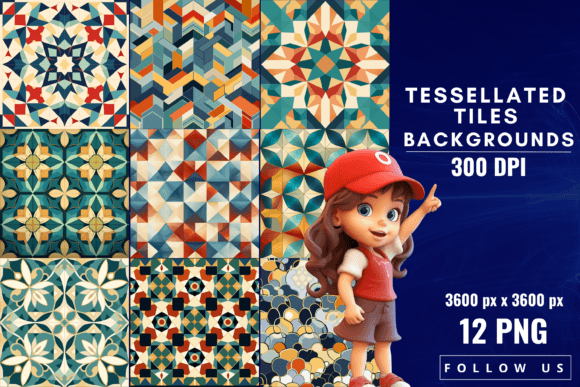
Tessellated Tiles Backgrounds: A Designer's Guide to Geometric Elegance
When you need a visual foundation that communicates precision, order, and timeless style, few elements are as effective as a well-executed pattern. Tessellated tiles backgrounds offer exactly this—a blend of mathematical harmony and aesthetic appeal that can elevate a wide range of creative projects. These aren't just decorative fills; they are design assets that bring structure and sophistication to your work.
The Anatomy of a Tessellated Pattern
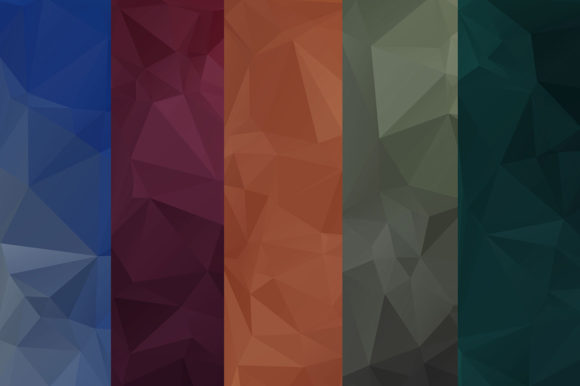
At its core, tessellation is the art of covering a surface with one or more geometric shapes, called tiles, with no overlaps and no gaps. Think of classic mosaics, intricate Islamic art, or the floor of an ancient Roman bath. The Tessellated Tiles Backgrounds in this collection draw from this rich history, offering meticulously arranged patterns that create a sense of rhythm and visual continuity. The personality is one of balanced structure—it feels both ancient and modern, orderly yet visually dynamic. The style leans towards geometric precision, making it a powerful tool for projects that value clarity and intellectual appeal.
The visual characteristics are defined by clean lines, repeating units, and often a sophisticated color palette. Whether featuring simple hexagons or more complex interlocking shapes, the overall effect is one of depth and dimension. These backgrounds can feel cool and clinical or warm and inviting, depending on the tile shape and color scheme you choose. This versatility is key to their broad appeal.
Practical Applications: Where Geometry Meets Strategy
The true value of Tessellated Tiles Backgrounds lies in their adaptability across different mediums. As a design asset, their application is limited only by your imagination. For brand identity projects, they can serve as a foundational element for logos, business cards, and letterhead, instantly conveying a brand's commitment to quality and detail. A tech startup might use a cool-toned tessellation to suggest innovation and connectivity, while a luxury boutique could opt for a metallic or marble-textured tile pattern to evoke exclusivity.
In editorial design and packaging design, these backgrounds create striking covers, section dividers, or product backdrops that catch the eye without overwhelming the main content. For web design and social media graphics, a tessellated pattern can make a header, footer, or post background stand out in a crowded feed, improving visual hierarchy and audience engagement. The repetitive nature of the pattern is excellent for creating a consistent look across multiple platforms, reinforcing brand recognition.
Beyond commercial use, they are perfect for personal projects. Crafters can use them as digital papers for scrapbooking or card making. Content creators can employ them as unique backdrops for video thumbnails or podcast artwork. The key is to match the pattern's complexity and color to the project's tone—a simple, monochrome pattern for a minimalist presentation versus a vibrant, multi-colored one for a festive invitation.
Integrating Tessellated Backgrounds into Your Workflow
Choosing the right background involves more than just picking a pattern you like. First, evaluate the project fit. Does the project's message align with the themes of order, precision, and elegance? A playful children's brand might require a softer, more organic pattern, while a financial services firm would benefit greatly from the stability a tessellation conveys.
Next, consider readability and visual hierarchy. A strong geometric background can compete with text. The solution is to use it strategically. Apply it to large, empty areas or behind elements with sufficient padding. Often, reducing the background's opacity or applying a subtle gradient overlay can help foreground content pop. Always test your text and primary graphics over the background at the final size to ensure legibility is not compromised.
Font pairing is another critical consideration. The geometric nature of tessellated tiles often pairs well with clean, modern sans serif fonts for a cohesive, contemporary look. For a contrasting yet harmonious effect, try pairing it with a classic serif font—the organic curves of the serif letters can beautifully offset the rigid geometry. Avoid overly decorative script fonts or handwritten fonts unless used very sparingly as an accent, as they can clash with the pattern's precision.
Finally, pay attention to the technical details. High-resolution visuals are non-negotiable for print and large-scale digital displays to maintain the crispness of the tile edges. Review the included file formats and color modes (RGB for digital, CMYK for print) to ensure seamless integration into your projects. For commercial work, always verify the licensing to confirm it covers your intended use, whether for client projects, merchandise, or digital products.
By thoughtfully applying Tessellated Tiles Backgrounds, you're not just adding decoration. You're building a visual foundation that communicates intelligence, care, and a refined aesthetic, making your creative work more memorable and effective.