Moroccan Geometry Backgrounds: A Design Asset for Global Elegance
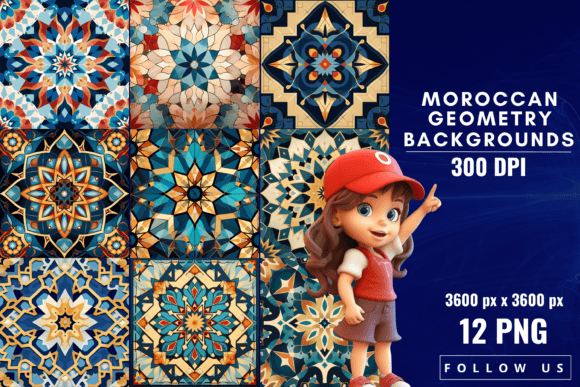
There’s a certain rhythm to Moroccan design that feels both ancient and surprisingly modern. It’s a visual language built on mathematics, precision, and a deep appreciation for beauty in repetition. This is the essence captured in our Moroccan Geometry Backgrounds. These aren’t just decorative patterns; they are foundational design assets that bring a structured, sophisticated, and exotic aesthetic to any project. Think of them as a versatile typeface for your visual space—instantly setting a tone of refined artistry and global appeal.
At their core, these backgrounds are a celebration of zellige tilework and intricate carved plaster, translated into high-resolution digital formats. The personality they convey is one of order, luxury, and timeless craft. Unlike a fleeting design trend, the geometric precision of Moroccan patterns offers a sense of stability and intellectual depth. The visual style is characterized by interlocking shapes—stars, polygons, and arabesques—that create a mesmerizing sense of movement without chaos. This makes them an exceptional premium font alternative for large-scale visual projects where a traditional typeface might fall short.
Where These Patterns Shine: From Digital to Physical
The true strength of Moroccan Geometry Backgrounds lies in their remarkable adaptability. They function much like a strong display font or a versatile sans serif font family, providing a foundational layer that can be dressed up or down to suit the context.
For web design and social media graphics, these patterns serve as captivating hero sections, engaging post backgrounds, or subtle textural elements in a brand’s visual toolkit. They command attention in a crowded feed, offering an instant identity that feels curated and intentional. In editorial design and packaging design, they transform a simple layout into a luxurious experience. Imagine a cookbook cover, a high-end cosmetic box, or a boutique hotel brochure where the background pattern does the heavy lifting of establishing brand perception.
Beyond the screen, these backgrounds are powerful tools for interior design concepts and physical branding. They can be printed on textiles, used as wall murals, or applied to stationery to create a cohesive brand identity that extends from a website to a physical storefront. For entrepreneurs and small business owners, this offers a cost-effective way to inject a high-end, artisanal quality into every customer touchpoint.
The Practical Guide to Implementation and Pairing
Using a patterned background effectively requires the same strategic thinking as choosing a font pairing. The goal is balance and hierarchy. Here’s how to integrate Moroccan Geometry Backgrounds into your workflow with confidence.
Evaluate the Project Fit: First, consider the project’s core message. These backgrounds excel in contexts that benefit from themes of culture, luxury, craftsmanship, travel, or spirituality. They might be less suitable for a project requiring a minimalist, stark, or purely corporate aesthetic unless used with extreme subtlety as a faint texture.
Test for Readability and Hierarchy: The intricate pattern is the star, so text must be placed with care. Treat it as you would a busy photograph. Use solid color blocks, semi-transparent overlays, or generous whitespace to create clear zones for typography. This is where pairing with the right typeface is critical. A clean, bold sans serif font often provides the necessary contrast and legibility. Alternatively, an elegant serif font can complement the classical geometry. Avoid pairing with highly ornate script fonts or handwritten fonts, as this can create visual competition and reduce clarity.
Leverage Included Variations: A quality set of these backgrounds will often come with variations—different color palettes, pattern scales, and levels of detail. Use these strategically. A large-scale, high-contrast pattern makes a powerful statement for a logo or poster. A smaller, more muted scale can serve as a sophisticated texture for a website background or business card.
Consider the Commercial License: For any professional use, especially in logo design or for a client’s brand identity, ensure you have the correct commercial license. This protects your work and your client’s investment, allowing the pattern to be used across unlimited projects without legal concern.
In practice, a designer might use a full-bleed Moroccan Geometry Background on a landing page to instantly establish a luxury feel, then pull a single color from the pattern for headings and buttons. A crafter could use a scaled-down version to create unique scrapbooking elements or digital planner stickers. The key is to see these backgrounds not as a finished product, but as a foundational design asset—a versatile component in your creative toolkit that, when used thoughtfully, elevates the professionalism and emotional impact of your work. They are a bridge between the rich history of Islamic art and the demands of contemporary modern typography and visual communication.