Geometric Red Panda Art: A Modern Visual Identity
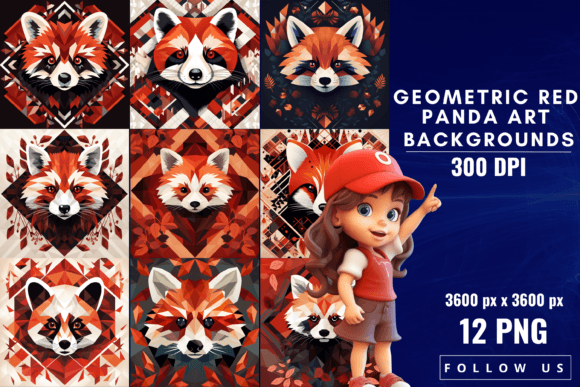
In the crowded digital landscape, finding a visual identity that is both memorable and sophisticated can be a challenge. Many designers and creators default to generic stock photography or overused textures, leading to a sea of sameness. However, a unique and powerful alternative exists at the intersection of wildlife charm and mathematical precision. Geometric Red Panda Art Backgrounds offer a fresh perspective, transforming the beloved red panda into a stunning collection of abstract, modern design assets. This approach moves beyond simple illustration, creating a visual language that is clean, engaging, and surprisingly versatile for a wide range of professional and personal projects.
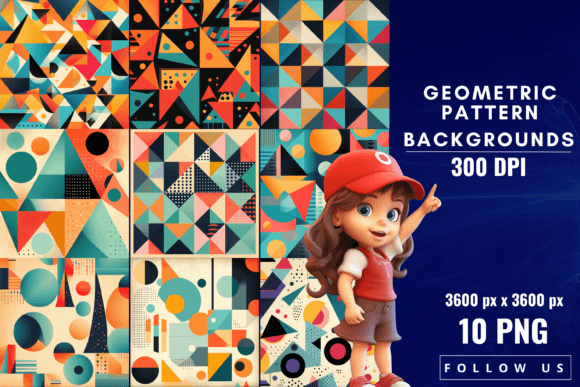
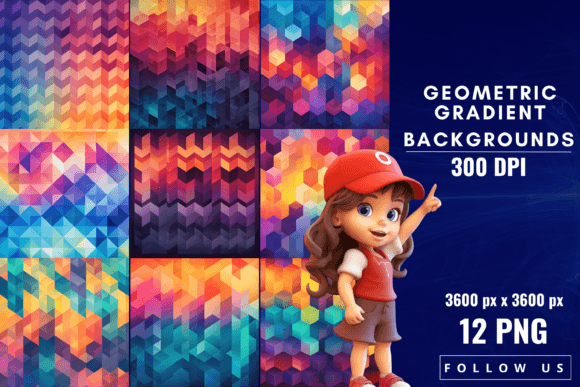
The core appeal of these backgrounds lies in their sophisticated visual style. Instead of realistic fur and textures, the red panda is reimagined through sharp lines, clean angles, and a structured palette of polygons. This geometric abstraction does more than just create a pretty picture; it injects a sense of modernity, order, and innovation into the design. The color schemes often remain true to the red panda’s natural palette—vibrant oranges, deep russets, creamy whites, and soft grays—but are applied in bold, flat sections or subtle gradients. The result is a background that feels both organic and engineered, playful yet professional. It captures the animal's inherent curiosity and charm while framing it within a contemporary, artistic context that appeals to a design-savvy audience.
Practical Applications for Designers and Creators
The true strength of Geometric Red Panda Art Backgrounds is their adaptability. They are not a one-trick design asset but a versatile tool that can elevate numerous projects. For brand identity, they provide an instant personality for businesses aiming to project a creative, eco-conscious, or uniquely modern image. Imagine a tech startup focused on wildlife conservation, a boutique pet brand, or a children's educational app—the geometric panda becomes a memorable and ownable mark. In web design, these backgrounds serve as compelling hero sections, eye-catching blog headers, or unique texture overlays that add depth without overwhelming the content. Their structured nature ensures text remains highly legible when placed over simpler, less detailed areas of the pattern.
For social media graphics and marketing materials, these backgrounds stop the scroll. They make perfect backdrops for Instagram stories, Facebook ads, YouTube channel art, and podcast covers. The inherent visual interest means even a simple quote or announcement looks polished and professional. In editorial design and publishing, they can be used for magazine feature layouts, book covers, or educational materials, adding a layer of visual storytelling. Packaging design for artisanal goods, stationery, or even tech accessories can leverage this aesthetic to stand out on shelves, communicating quality and a distinct point of view. Furthermore, for personal projects like custom invitations, digital planners, or craft prints, these backgrounds provide a high-quality starting point that is both fun and stylish.
Integrating Geometric Art into Your Workflow
Successfully incorporating these backgrounds requires a strategic approach, much like selecting any other premium design asset. First, evaluate the project fit. The geometric style conveys modernity, creativity, and a touch of whimsy. It’s ideal for brands and projects that want to appear innovative, friendly, and visually distinct. It may be less suitable for extremely traditional, formal, or minimalist contexts where even abstract animal motifs feel out of place. Next, consider the visual hierarchy. These backgrounds are inherently detailed. To maintain readability, place key text and graphics in areas with less pattern complexity or use a semi-transparent color overlay to create contrast. Pairing them with clean, sans-serif fonts often works best, as the font's simplicity will balance the background's intricacy. A bold display font for headlines can create a dynamic pairing, while a simple serif font might be used for a touch of elegance in subheadings.
When sourcing these files, review the included styles and licensing. High-quality collections will often include variations: different color schemes, levels of pattern density, and perhaps seamless tiles or isolated geometric panda elements. This allows for greater flexibility across a project. Always verify the commercial licensing terms to ensure they cover your intended use, whether for client work, merchandise, or digital products. Finally, test thoroughly. Place your actual content—logos, photos, text blocks—over the background at the intended size. Check the contrast and ensure the background supports, rather than competes with, your core message. Used thoughtfully, Geometric Red Panda Art Backgrounds are more than just decoration; they are a powerful tool for building a cohesive, engaging, and uniquely memorable visual presence that resonates with audiences and sets your work apart.