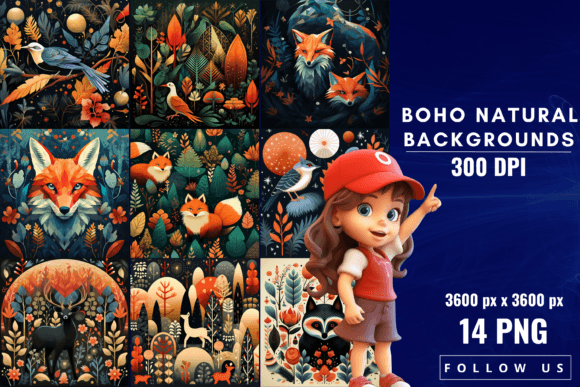
Embrace Organic Aesthetics with Boho Natural Backgrounds
In a digital landscape saturated with sterile, flat designs and high-contrast corporate aesthetics, there is a palpable hunger for warmth, texture, and authenticity. We are seeing a significant shift in visual culture, moving away from rigid perfection toward a more organic, lived-in feel. This is where Boho Natural Backgrounds step in, serving as a visual antidote to the mundane. These backgrounds are not merely a collection of pixels arranged to look like leaves or sand; they are a curated blend of the free-spirited Bohemian aesthetic and the raw, unfiltered beauty of the natural world. For designers, marketers, and content creators, this resource offers a bridge between the tranquility of nature and the artistic chaos of Boho design.
The Visual Language of the Bohemian Spirit
Understanding the appeal of these backgrounds requires looking beyond the surface. The "Boho" style is historically rooted in a rejection of conformity, favoring instead a lifestyle that values art, nature, and individual expression. When this ethos is translated into design assets like Boho Natural Backgrounds, the result is a visual language characterized by earthy palettes, intricate patterns, and a sense of effortless layering.
Visually, you can expect a rich tapestry of textures. Think of the rough grain of unbleached linen, the soft focus of wildflowers at golden hour, or the intricate weave of macramé. These backgrounds often utilize a warm, muted color spectrum—terracotta, sage green, dusty rose, and sandy beige—that feels grounding rather than demanding. Unlike the sharp vectors of modern minimalism, these assets rely on soft edges and organic imperfections. This visual personality makes them incredibly versatile. They provide depth without clutter, allowing foreground elements like typography or product photography to stand out while still benefiting from a rich, atmospheric context.
Practical Applications: Where Nature Meets Strategy
For the creative professional, the utility of a design asset is just as important as its beauty. Boho Natural Backgrounds excel in scenarios where you need to establish an emotional connection with your audience immediately. Because they evoke feelings of calm, wanderlust, and authenticity, they are particularly potent in specific sectors.
Consider the needs of a small business owner in the wellness, skincare, or sustainable fashion space. A plain white background might feel too clinical, while a neon gradient feels too aggressive. A Boho Natural Background, however, instantly communicates the brand's values of organic ingredients and mindful living. It serves as a foundational layer for your brand identity, reinforcing the narrative before a single word is read.
Here is how these backgrounds integrate across various projects:
- Social Media Graphics: In the fast-scrolling environment of Instagram or Pinterest, texture stops the thumb. These backgrounds create a cohesive grid that feels curated and intentional, increasing engagement by offering a visual "retreat" for the viewer.
- Web Design: As a background for a landing page or a blog header, these textures add warmth that flat colors lack. They soften the digital experience, making a website feel more accessible and human.
- Packaging Design: For physical products, especially in the artisanal sector, these backgrounds can be printed on boxes or tissue paper to elevate the unboxing experience. They suggest that the product inside is natural and hand-crafted.
- Editorial Design: In magazines or lookbooks, they serve as excellent photo overlays or margins, helping to unify disparate images into a singular, flowing narrative.
Strategic Implementation and Readability
While the aesthetic appeal is strong, successful implementation requires a strategic eye. The primary challenge with textured backgrounds is maintaining readability. A beautiful background is useless if it obscures the message. When working with Boho Natural Backgrounds, you must treat the texture as a supporting actor, not the lead.
Visual Hierarchy and Typography: Because these backgrounds are often detailed, they pair best with clean typography. A bold, sans-serif font often works well for headlines, providing a modern counterpoint to the organic texture. If you prefer a more romantic look, a legible script font can work, but ensure it has thick strokes to cut through the noise. Avoid thin, light-weight fonts that might get lost in the texture. It is also wise to use a slight vignette or a semi-transparent overlay (a "scrim") to darken or lighten the center of the background, ensuring your text sits in a "quiet" zone of the image.
Font Pairing: The versatility of these backgrounds allows for interesting font pairing experiments. For a rustic, grounded look, pair the background with a slab-serif typeface. For a more ethereal, feminine vibe, a light sans serif font creates breathing room. The goal is contrast; you want the sharpness of your digital text to complement the softness of the organic background.
Evaluating Quality and Licensing
Not all design assets are created equal. When selecting your resources, pay close attention to technical specifications. High-resolution visuals are non-negotiable. If you plan to use these backgrounds for print design—such as business cards, flyers, or merchandise—you need files that can scale without pixelating. Look for assets that offer a high DPI (dots per inch) count.
Furthermore, understanding the licensing is crucial for professional use. If you are a freelancer creating a logo for a client, or a marketer running a paid ad campaign, you need to ensure the license covers commercial use. Many "free" assets are restricted to personal projects. Investing in a premium font or background bundle usually provides the peace of mind that comes with clear commercial rights, protecting you and your clients from copyright issues down the line.
Cultivating Your Creative Vision
Ultimately, design is about storytelling. Boho Natural Backgrounds provide a narrative shortcut, instantly setting a scene that feels welcoming, artistic, and grounded. They are more than just decoration; they are a tool for evoking specific emotional responses from your audience. By thoughtfully integrating these textures into your web design, social media graphics, and packaging, you can create a cohesive visual ecosystem that stands out in a crowded market. Whether you are a blogger looking to beautify your site or a brand strategist refining a visual identity, these backgrounds offer a harmonious blend of nature and artistry that is both timeless and trendy.